Fitness can become expensive when every improvement seems to require new gear, subscriptions or supplements. This countdown focuses on ways to build a useful routine while keeping costs under control.
10. Spend effort before spending money
Start with brisk walking, simple strength exercises and a weekly plan. Track sessions on paper and spend only when a specific barrier or goal justifies the cost.
9. Build a small home routine first
A mat is optional for many exercises, and body weight can provide a starting point. Learn good technique before buying more equipment or increasing difficulty.
8. Use parks and public walking routes
Walking, jogging and many body-weight exercises require little or no equipment. Choose safe, accessible routes and adapt activity to the weather.
7. Borrow or buy basic equipment second-hand
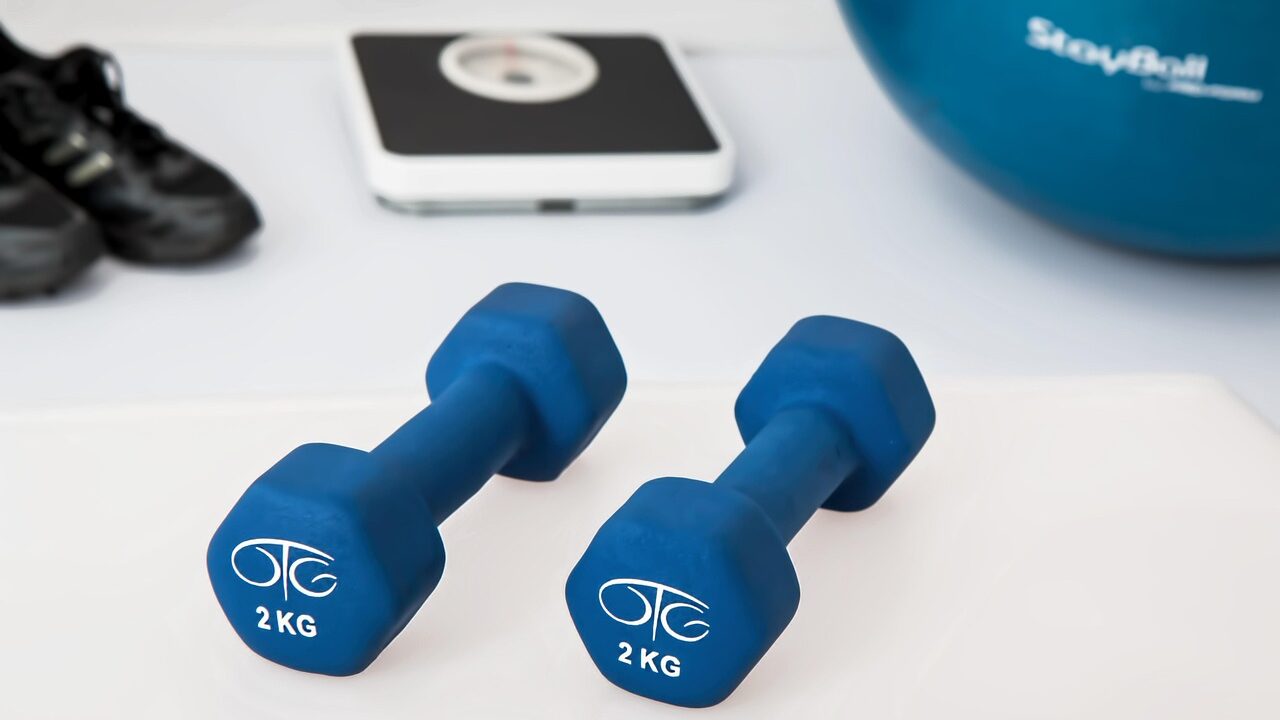
Resistance bands, light weights and other simple kit can cost less used, provided they are in safe condition. Inspect everything before use.
6. Look for community sports sessions
Local clubs, community centres and public programmes may offer affordable ways to move with others. Check what is included and whether equipment hire costs extra.
5. Use pay-as-you-go classes occasionally
A class can provide structure and instruction without a long contract. Compare the full cost and travel time with free options before booking regularly.
4. Buy a full matching gym outfit
Comfortable clothing you already own is usually fine to begin. Invest in specialist kit only when your chosen activity genuinely requires it.
3. Stock up on specialist supplements
Most beginners do not need a cupboard full of products to start exercising. Prioritise balanced meals, hydration and sleep; ask a qualified professional about individual nutrition needs.
2. Pay for a premium workout app
Paid apps can be useful, but free beginner videos and public exercise resources may be enough. Test a simple routine before committing to another subscription.
1. Buy the latest fitness gadget
A tracker may help some people notice patterns, but it is not essential. Use your phone’s basic timer or a notebook before spending money on extra features.
A sustainable fitness budget starts with the activity, not the shopping list. Spend where it improves safety, access or consistency, and question recurring costs you rarely use.