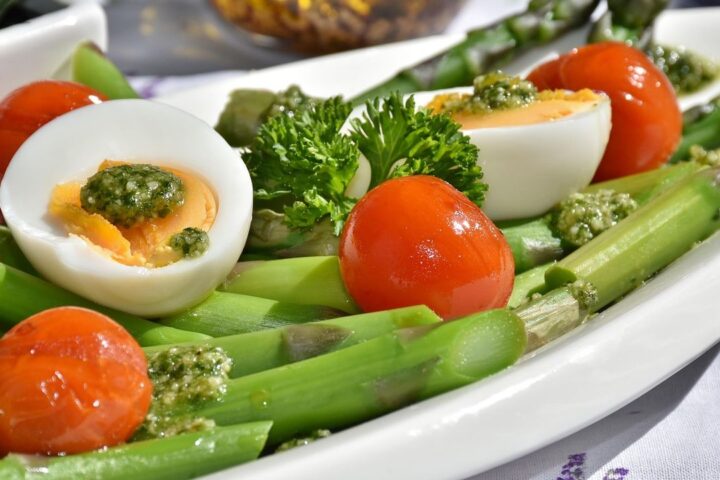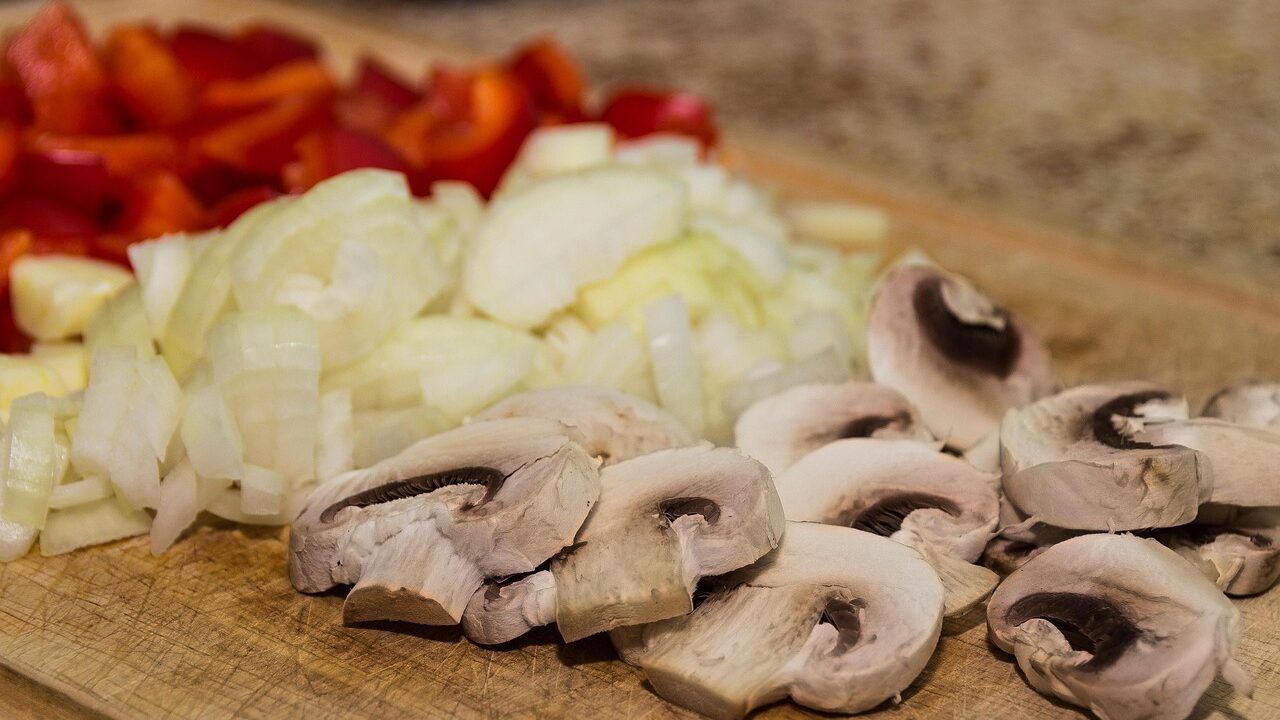
Eating to support exercise does not require premium powders or expensive specialist foods. These practical ideas focus on affordable basics, less waste and meals that help you stay energised.
10. Build meals from affordable basics
Use a flexible mix of vegetables and fruit, whole grains or other staple carbohydrates, and suitable protein sources. A repeatable plan beats expensive products you do not need.
9. Drink water as your everyday default
Water is generally an economical choice for hydration during ordinary exercise. Longer or very intense sessions may need different planning, depending on conditions and individual needs.
8. Keep simple snacks ready
Fruit, oats, yoghurt or other affordable options can make it easier to eat regularly around activity. Choose portions and foods that suit your appetite and dietary needs.
7. Use a shopping list and check cupboards
Plan meals before shopping and buy ingredients that work across more than one dish. This helps avoid duplicates and impulse purchases.
6. Plan meals around affordable protein
Include lower-cost choices such as pulses, eggs or plain yoghurt where they suit your diet. Variety matters, and individual needs can differ.
5. Cook a batch of useful staples
Prepare a pot of beans, lentils, grains or soup and use it across several meals. Batch cooking saves time and helps avoid costly last-minute food choices.
4. Choose seasonal produce
Seasonal fruit and vegetables are often good value. Frozen and tinned options can also be useful; compare labels and choose products that fit your needs.
3. Throw away leftovers
Plan to use leftovers safely for another meal or freeze portions promptly. Reducing waste can free money for a varied weekly shop.
2. Spend heavily on protein snacks
Convenient bars and shakes can cost more than regular foods. Beans, lentils, eggs, yoghurt and other suitable staples can contribute protein at lower cost.
1. Buy products just because they say fitness
Marketing can make ordinary foods seem essential for exercise. Compare ingredients and cost, and remember that a balanced everyday diet is the foundation for most people.
Spend on useful food, not fitness marketing. Affordable staples, meal planning and reduced waste can support a training routine without turning nutrition into an expensive project.