The best fitness technology is the kind that helps you show up consistently, progress safely and recover well. You do not need every gadget on the market. Start with a tool that solves a real problem and ignore features that add complexity without improving your routine.
8. A Progressive Training Plan
A well-structured plan tells you what to do, how to progress and when to recover. Choose one matched to your experience and goals, increase demands gradually, and revise it when life or your physical condition changes rather than following an app blindly.

7. Recovery and Sleep Tracking
Rest, sleep and training load influence how ready you feel to exercise. Track broad trends if useful, but do not let a proprietary readiness score overrule persistent pain, illness or sensible judgement about recovery.

6. A Heart-Rate Monitor Used Sensibly
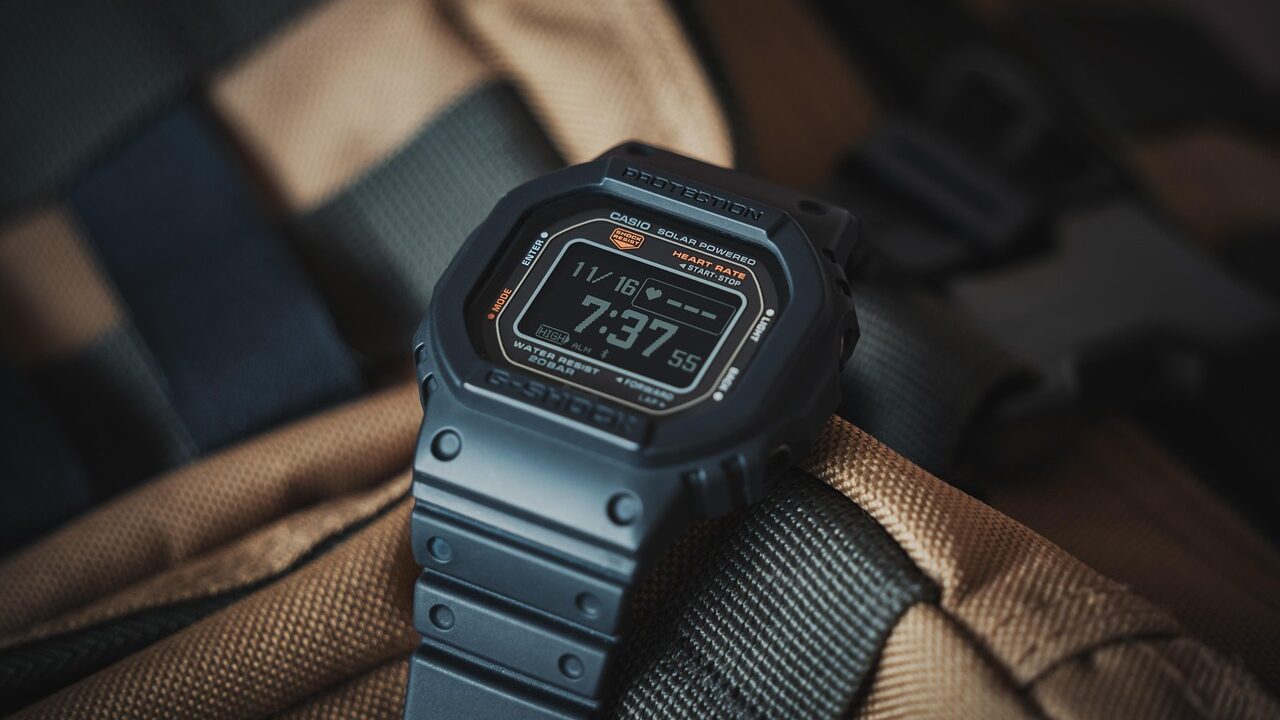
Heart-rate data can help some people understand effort during endurance exercise, but readings vary with device fit, temperature, stress and medication. Combine the numbers with breathing, perceived exertion and professional advice where relevant.

5. A Timer for Intervals and Rest
A basic timer keeps intervals and rest periods consistent without repeatedly checking the clock. Use it to support your programme, not to force rushed technique or ignore how your body feels on a particular day.

4. A Step Counter
Daily movement outside formal workouts matters too. A step counter can highlight long sedentary periods and encourage short walks, but use a realistic baseline rather than chasing an arbitrary number that does not suit your health or schedule.

3. Technique Demonstration Videos
Reliable demonstrations can help you understand exercise setup and movement, especially when you are learning a new exercise. Video cannot assess your individual movement in real time, so seek qualified coaching if you are unsure or have pain or an injury.

2. A Simple Workout Log
Record exercises, sets, repetitions, duration and how difficult the session felt. Over time, the log helps you spot progress and avoid changing everything at once. A notebook works just as well as an app if it is easier to maintain.

1. A Calendar Reminder
Scheduling workouts makes them easier to protect from competing demands. Treat the appointment as flexible but important, and plan a shorter alternative for busy days so one missed session does not become a lost week.

Consistency beats gadget collecting. A calendar, a training log and a sensible progression plan can deliver more value than expensive equipment. Choose tools that help you train safely and sustainably, and adapt them to your needs.