
From negotiating a better salary and closing business deals to handling difficult conversations, these eight books can help you become a more confident, persuasive and effective negotiator.
Negotiation is one of the most valuable skills you can develop. Yet surprisingly few people ever receive formal training in it.
We negotiate every day. We negotiate salaries, business contracts, property prices, deadlines, purchases and even everyday disagreements. The difference between a good negotiator and a poor one can sometimes be measured in thousands of pounds, valuable opportunities or relationships saved.
Fortunately, negotiation is a skill that can be learned. The right books can teach you how to read people, recognise opportunities, handle pressure, overcome objections and secure better outcomes.
We’ve selected eight books that offer different perspectives on the subject, from established negotiation principles and psychological techniques to practical strategies for difficult situations.
Here are our eight recommendations, working up to our number one choice.
1. Getting Past No
William Ury
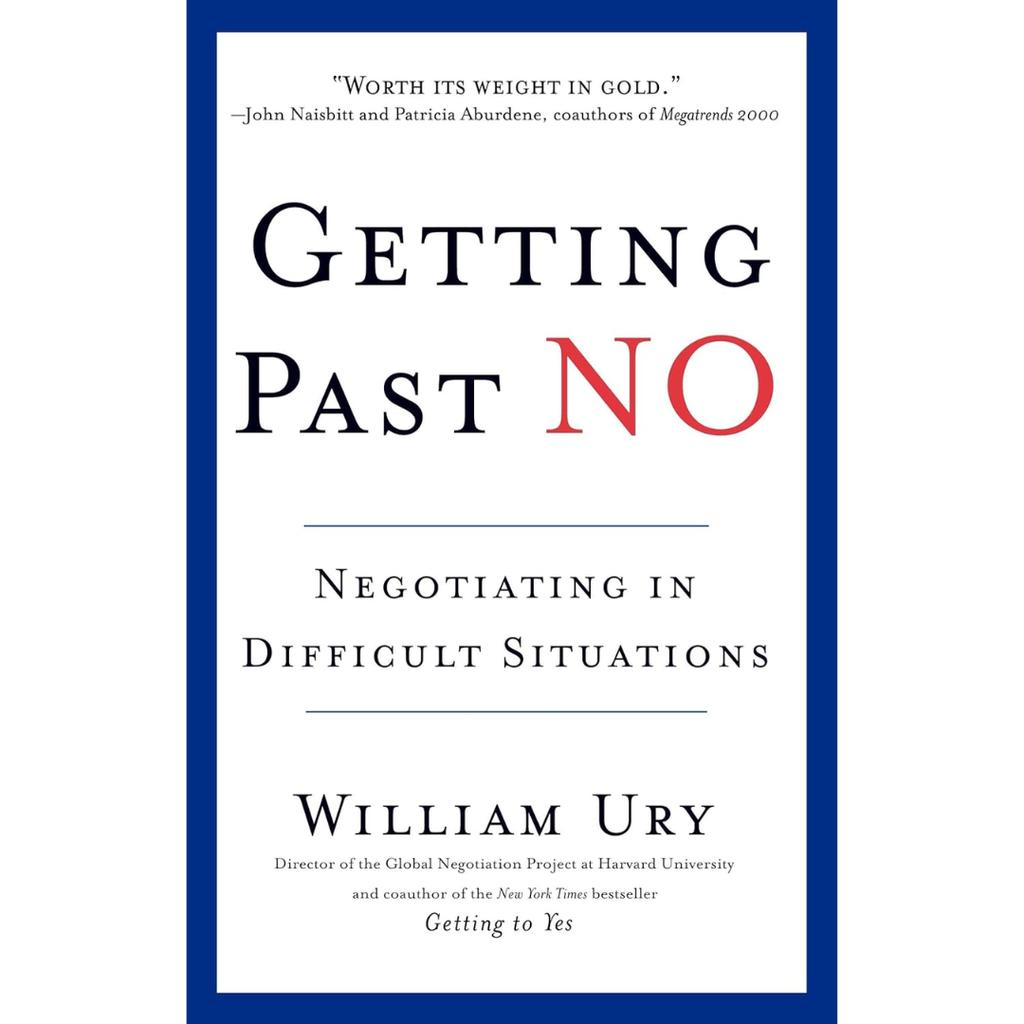
Negotiations don’t always go smoothly. Sometimes the other person refuses to cooperate, becomes defensive or simply says no to everything.
In Getting Past No, William Ury explores how to deal with resistance and turn seemingly impossible negotiations into productive conversations.
Rather than responding to hostility with hostility, Ury encourages readers to step back, understand the other person’s position and find ways to move discussions forward.
What you’ll learn:
- How to handle difficult negotiating personalities.
- How to overcome resistance without escalating conflict.
- How to recognise and respond to negotiating tactics.
- How to turn deadlock into an opportunity for agreement.
Best for: Anyone who regularly deals with difficult people, demanding customers or uncooperative business partners.
2. Difficult Conversations
Douglas Stone, Bruce Patton and Sheila Heen
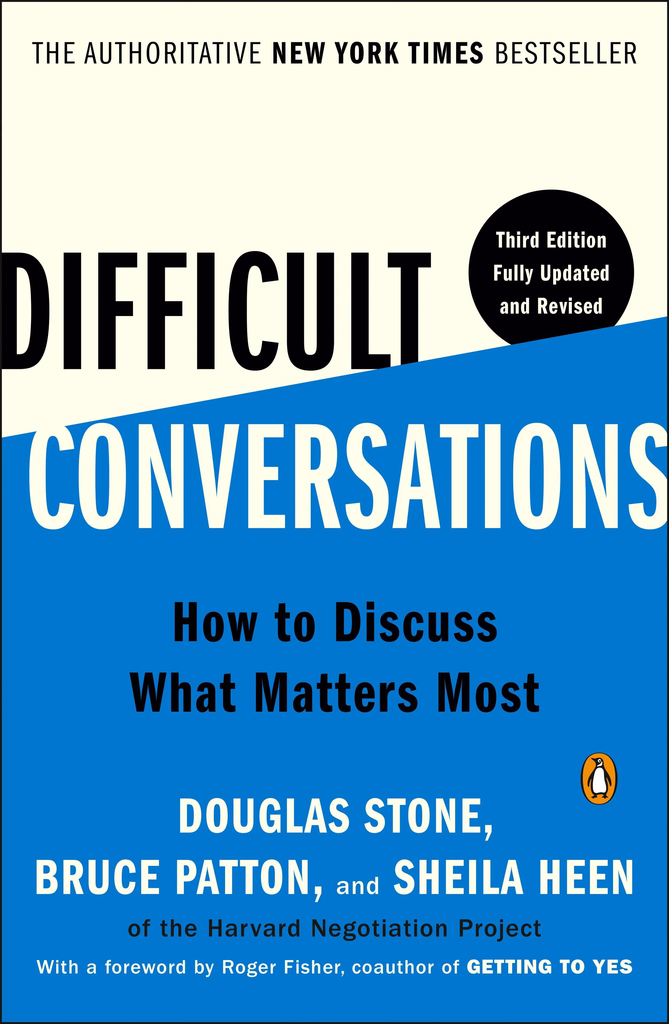
Negotiation isn’t always about money or contracts. Sometimes the most challenging negotiations involve emotions, misunderstandings and relationships.
Difficult Conversations examines why certain discussions become uncomfortable and how people can approach them more constructively.
The authors explore the different layers of difficult conversations, including disagreements about what happened, emotional responses and the impact discussions have on our sense of identity.
What you’ll learn:
- How to discuss sensitive subjects without creating unnecessary conflict.
- How to listen to perspectives that differ from your own.
- How to manage emotional reactions.
- How to communicate more effectively when the stakes are high.
Best for: Managers, colleagues, couples and anyone who needs to navigate uncomfortable conversations successfully.
3. Influence: The Psychology of Persuasion
Robert B. Cialdini
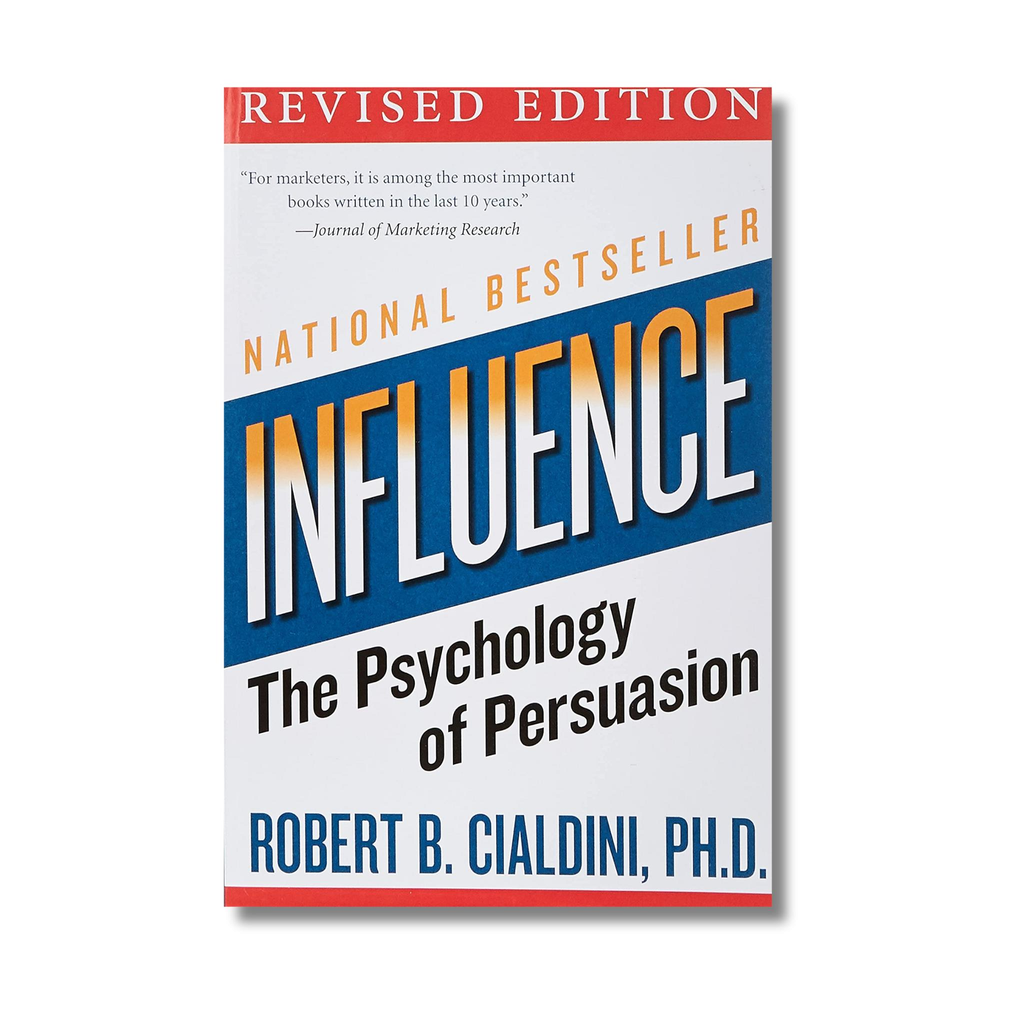
Although not exclusively a negotiation book, Influence is essential reading for anyone who wants to understand why people say yes.
Psychologist Robert Cialdini explores the psychological principles that influence human decision-making. His work helps readers understand how persuasion operates and why certain approaches are more effective than others.
For negotiators, understanding these principles can provide a significant advantage. Recognising how people respond to authority, social proof, reciprocity and scarcity can help you communicate more persuasively while also protecting yourself against manipulation.
What you’ll learn:
- The psychology behind persuasive communication.
- Why people respond to certain requests.
- How social pressure influences decisions.
- How to recognise common persuasion techniques.
Best for: Sales professionals, business owners, marketers and anyone interested in the psychology behind successful negotiations.
4. Bargaining for Advantage
G. Richard Shell
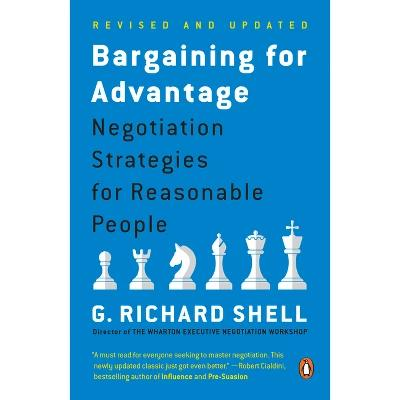
Successful negotiation requires more than confidence and persuasive language. It requires preparation, strategy and an understanding of your own negotiating style.
In Bargaining for Advantage, G. Richard Shell provides a structured approach to negotiation, helping readers understand how different personalities, expectations and circumstances influence the outcome of a deal.
The book encourages readers to examine their strengths, identify potential weaknesses and develop strategies suited to the situation.
What you’ll learn:
- How to prepare effectively before entering a negotiation.
- How to understand your personal negotiating style.
- How to use information and leverage strategically.
- How to adapt your approach to different people and circumstances.
Best for: Business professionals, entrepreneurs and anyone who wants to become a more strategic negotiator.
5. Getting to Yes
Roger Fisher, William Ury and Bruce Patton
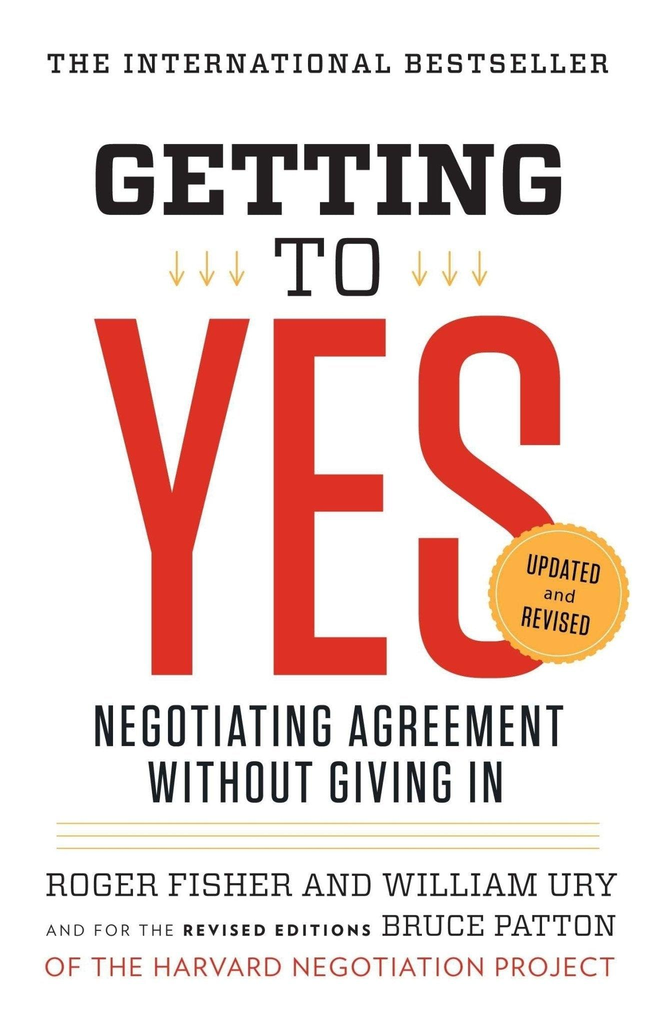
Few books have had as much influence on modern negotiation thinking as Getting to Yes.
Developed through the work of the Harvard Negotiation Project, the book introduces the concept of principled negotiation: focusing on the interests behind people’s demands rather than simply arguing over positions.
Its central message is that negotiation doesn’t have to be a battle in which one side wins and the other loses. With the right approach, both parties can find an outcome that addresses their most important needs.
What you’ll learn:
- How to separate people from the problem.
- How to focus on underlying interests rather than fixed positions.
- How to develop solutions that benefit both sides.
- How to use objective standards when evaluating proposals.
Best for: Beginners and experienced negotiators who want a strong foundation in collaborative negotiation.
6. Negotiation Genius
Deepak Malhotra and Max H. Bazerman
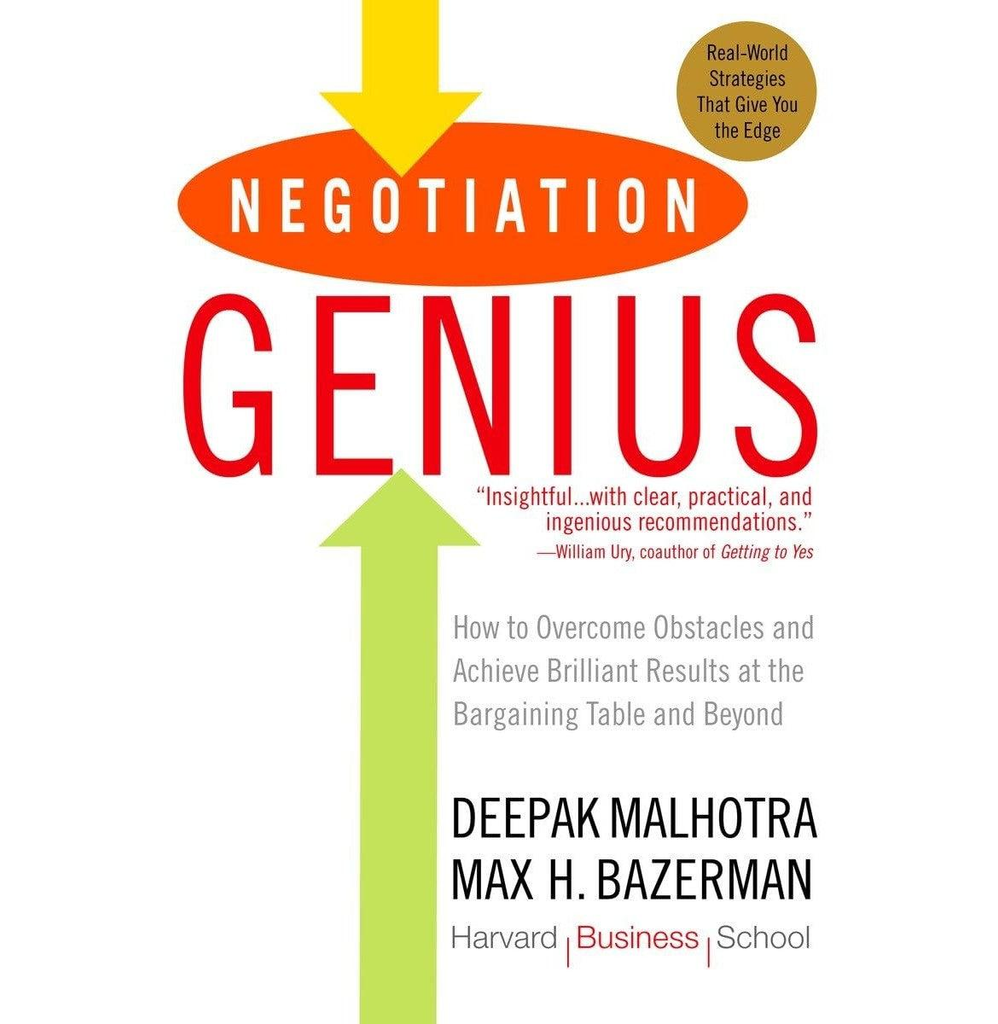
What separates an average negotiator from an exceptional one?
According to Harvard Business School professors Deepak Malhotra and Max Bazerman, much of the answer lies in preparation, strategic thinking and understanding how people make decisions.
Negotiation Genius takes readers beyond basic negotiating techniques and examines how to handle complex situations, recognise hidden opportunities and avoid mistakes that can undermine an otherwise promising deal.
It combines research, practical examples and strategic advice to help readers approach negotiations with greater confidence.
What you’ll learn:
- How to identify opportunities to create value.
- How to overcome difficult negotiating situations.
- How to avoid common decision-making mistakes.
- How to negotiate when information and bargaining power are unequal.
Best for: Experienced professionals, business leaders and readers looking for a deeper understanding of negotiation strategy.
7. Never Split the Difference
Chris Voss with Tahl Raz
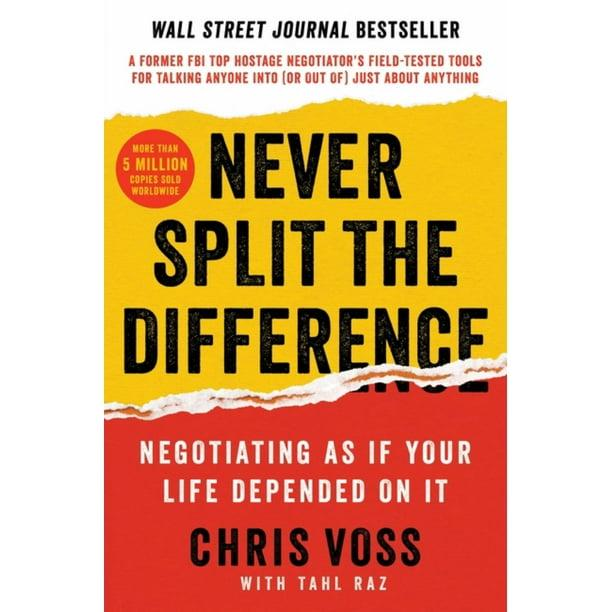
What if the secret to successful negotiation isn’t being the toughest person in the room, but being the person who understands everyone else?
Chris Voss, a former FBI international kidnapping negotiator, brings his experience of high-pressure negotiations into the business world.
Never Split the Difference is particularly engaging because it challenges the idea that compromise is always the best solution.
Voss introduces techniques such as tactical empathy, mirroring and calibrated questions. These approaches help negotiators uncover what the other person really wants and encourage more productive conversations.
What you’ll learn:
- How to use tactical empathy to build understanding.
- How to ask questions that encourage useful responses.
- How to recognise emotional signals.
- How to respond to pressure and difficult negotiating tactics.
- Why simply splitting the difference can produce a poor outcome.
Best for: Anyone who wants immediately practical techniques for business negotiations, sales discussions, salary conversations and everyday situations.
8. This is Negotiation
Marta Skarbek

Our number one choice
Negotiation is often portrayed as a contest between two people, each attempting to secure the greatest possible advantage. But is that really the best way to achieve lasting success?
Marta Skarbek’s This is Negotiation takes a broader approach to the subject, exploring negotiation as an essential life and professional skill.
The book brings together the fundamentals of negotiation, communication, persuasion, trust-building and conflict resolution. It also draws on the author’s personal inspiration, including the historic 1970 Gdańsk Shipyard strike, where workers fought for their rights through collective action and negotiation.
One of the particularly important themes is the relationship between negotiation and ethics. Winning an agreement is one thing; reaching an agreement that creates trust and can stand the test of time is another.
The book encourages readers to look beyond short-term victories and consider the wider consequences of how they negotiate.
What you’ll learn:
- The fundamental principles of effective negotiation.
- How to communicate persuasively and build trust.
- How to manage disagreements and resolve conflict.
- How to negotiate with different people and stakeholders.
- Why ethical negotiation matters when building lasting relationships.
Best for: Readers who want to develop negotiation skills they can apply across business, professional relationships and everyday life.
The final verdict: Which negotiation book should you read first?
Each of these books offers something different. Some focus on psychology, others on strategy, communication or practical techniques.
If you’re new to negotiation, Getting to Yes provides an excellent starting point. If you want techniques you can put into practice immediately, Never Split the Difference is a particularly compelling choice.
But if you’re looking for a broader understanding of negotiation as a skill that influences almost every aspect of life, our number one selection is This is Negotiation by Marta Skarbek.
The important thing is not simply to read about negotiation. It’s to put what you learn into practice. Every conversation, business meeting and disagreement provides an opportunity to improve.
Full disclosure: this pick is one of ours. We made it, so we are biased, but we genuinely think it earns the top spot.
Discover the book: Marta Skarbek’s This is Negotiation – Available on Amazon
Editorial note: This is an editorial selection rather than a scientific ranking. The books have been chosen for the different perspectives and practical skills they bring to learning negotiation.