Artificial intelligence (AI) is rapidly transforming the world of work. While some fear a robot takeover, the reality is more nuanced. Certain jobs are more susceptible to automation than others. Here are 10 jobs likely to be significantly impacted by AI in the coming years, listed from most to least at risk:
-
Data Entry Clerks: Manually entering data into computer systems is a repetitive task perfectly suited for automation. AI can process vast amounts of data with far greater speed and accuracy.
-
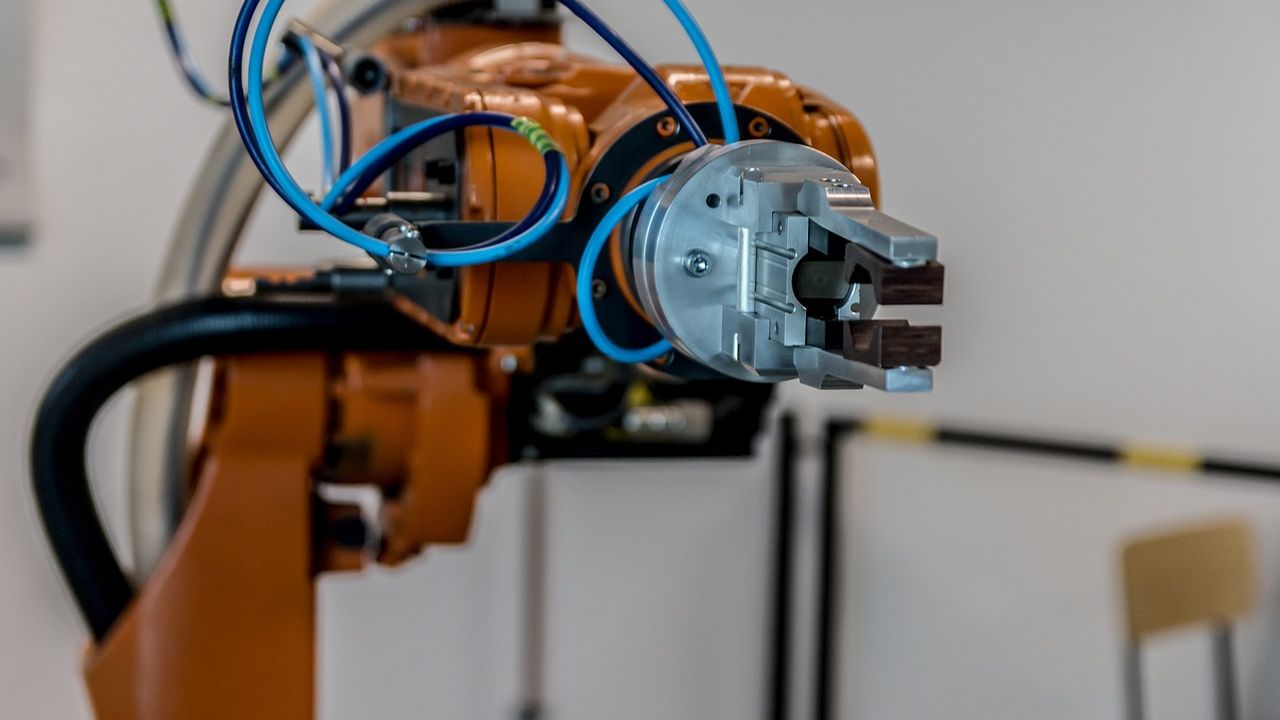
Assembly Line Workers: Manufacturing tasks involving repetitive motions on assembly lines are prime targets for automation. Robots can tirelessly perform these jobs with greater precision and efficiency.
-
Telemarketers: As communication technology advances, AI-powered chatbots can handle many customer service interactions currently performed by telemarketers.
-
Proofreaders and Editors (Specific Tasks): AI can already flag grammatical errors and inconsistencies in writing. While human judgment will remain crucial for creative content, AI may handle basic proofreading tasks in the future.
-
Truck Drivers: Long-haul trucking routes with predictable conditions are ideal for self-driving vehicles. While full automation may take time, AI is likely to significantly impact the long-distance trucking industry.
-
Cashiers: Self-checkout kiosks powered by AI are becoming increasingly common in retail stores. As technology advances, cashier jobs may become less prevalent.
-
Loan Officers (Basic Loan Applications): Straightforward loan applications can be processed efficiently by AI algorithms. Human loan officers will likely focus on complex financial products and situations requiring individual attention.
-
Travel Agents: AI-powered travel booking platforms can search for flights, hotels, and attractions, offering travelers a wider range of options and potentially lower prices. Travel agents may need to adapt by focusing on curated experiences and personalized travel planning.
-
Insurance Underwriters (Basic Policies): AI can analyze vast amounts of data to assess risk and determine premiums for basic insurance policies. Human underwriters will likely focus on complex cases requiring in-depth analysis and judgment.
-
Paralegals (Specific Tasks): AI can handle legal research, document review, and other routine tasks currently performed by paralegals. However, human paralegals will still be needed for tasks requiring legal expertise and critical thinking.
The future of work is likely to involve a collaboration between humans and AI. By understanding where automation is headed, individuals can develop the skills and expertise that will remain valuable in the years to come.