Good cooking is rarely about expensive ingredients. A tin of tomatoes, an onion and a packet of mince can taste dull or properly delicious, and the difference is usually a handful of small habits.
We’ve ranked eight of the simplest by how much they improve your food for the least effort. Most take under a minute and cost nothing extra. The number one spot is the trick that rescues more flat, forgettable meals than any other, and it might already be sitting in your kitchen.
8. Add something fresh or crunchy
A lot of budget food is soft from start to finish: soup, mash, stew, rice. A fresh or crunchy topping adds contrast, and makes a simple bowl feel finished.
Fry a handful of breadcrumbs in a little oil with a pinch of salt until golden, then scatter them over pasta, soup or roasted veg. Toast seeds or chopped nuts in a dry pan. Or chop any fresh herbs you have, such as parsley, coriander or spring onion tops, and pile them on at the last moment. Heat dulls their flavour, so add them off the heat.
Pro tip: Soft herb stalks are tasty too, so chop them finely rather than binning them.
7. Save some pasta water
Before you drain your pasta, scoop out a mugful of the cooking water. It’s salty and cloudy with starch, which helps a sauce cling to the pasta rather than pool at the bottom of the bowl.
Drain the pasta, tip it back into the pan with your sauce, and add a splash of the water. Toss over a low heat for a minute. The sauce turns glossy and coats everything, even if it started as little more than tinned tomatoes, or butter and cheese. Add the water a little at a time. It’s easy to loosen a sauce, harder to rescue a watery one.
Pro tip: Put the mug beside the colander before you start, so you don’t forget.
6. Give onions more time
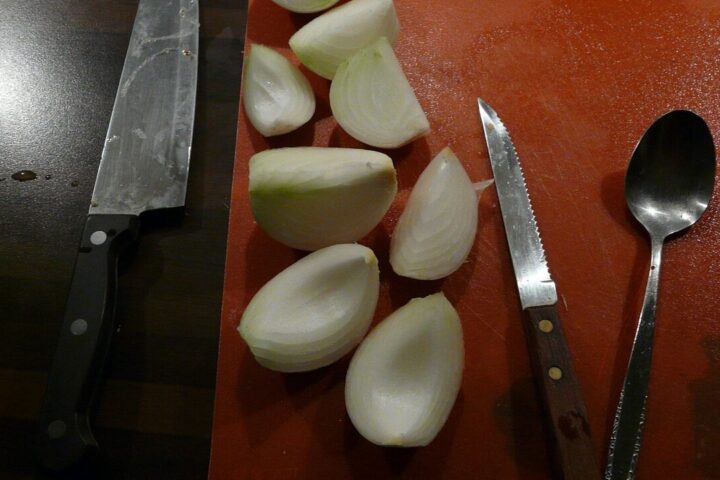
Onions cooked for three minutes taste sharp and a little raw. Given 10 to 15 minutes over a medium-low heat, they turn soft, sweet and mellow, and that sweetness runs through the whole dish.
Slice them, add them to a pan with oil and a pinch of salt, and stir now and then. You want soft and golden, not dark and crisp. If they start to catch, add a splash of water and turn the heat down. Do this at the start of bolognese, curry, soup, stew or chilli. It’s mostly waiting, and the payoff is large.
Pro tip: Cook a big batch, then freeze portions in flat bags to break off whenever you need them.
5. Toast your spices
Spices straight from the jar can taste dusty. Warming them in fat or a dry pan wakes up their aroma and makes a big difference to curries, chilli and soups.
For ground spices, stir them into the hot oil with your onions for about 30 seconds, until fragrant, then add your liquid. For whole seeds like cumin or coriander, toast them in a dry pan over a medium heat for a minute or two, shaking often, then crush them. Watch closely. Burnt spices turn bitter, and if they smell acrid, it’s best to start again.
Pro tip: Keep your tin of tomatoes or stock open and ready, so you can stop the spices catching.
4. Add a spoonful of something savoury
Cheap dishes often lack depth, and a small amount of a savoury ingredient fixes that. Soy sauce, Worcestershire sauce, tomato purée, Marmite and anchovies all add a rich, meaty background without making the dish taste of themselves.
Start with a teaspoon in stews, gravy, soups, mince dishes or tomato sauces. Fry tomato purée for a minute or two until it darkens before adding liquid. Anchovies melt into hot oil and disappear, leaving savouriness rather than fishiness. Most of these are salty, so ease off the salt until you’ve tasted.
Pro tip: A leftover parmesan rind simmered in soup or sauce adds the same kind of depth.
3. Brown things properly
Pale, grey meat and veg taste pale and grey. Real browning creates deep, savoury flavour, and it’s why a seared sausage beats a boiled one every time.
Pat the food dry with kitchen paper, because damp food steams instead of browning. Heat the pan until the oil shimmers, add the food in a single layer without crowding it, and then leave it alone. For mince, let it sit until a crust forms before you stir. Once it’s browned, add a splash of water or stock and scrape up the stuck-on bits. They’re pure flavour.
Pro tip: If the food sticks, it usually isn’t ready to turn yet; it will release itself once it has browned.
2. Salt early and taste as you go
Salt added only at the table sits on top of food. Salt added during cooking gets into it. Season the onions as they soften, the veg as it roasts, and the pasta or potato water until it tastes pleasantly seasoned.
For meat, such as chicken thighs or pork chops, salt it at least 40 minutes before cooking, or the night before and leave it uncovered in the fridge. Add a pinch at a time, taste at the end, and adjust. Several small seasonings beat one big one.
Pro tip: If you’ve been advised to limit your salt, lean on the other tricks in this list and check with a doctor or dietitian about what suits you.
1. Finish with a splash of acid
If a dish tastes flat even though you’ve salted it, it almost certainly needs acid. A squeeze of lemon or lime, or a small splash of vinegar, makes flavours taste brighter and clearer. It’s the quickest fix there is, and it costs pennies.
Stir it in at the very end, off the heat, a little at a time, and taste after each addition. You’re not trying to make it taste sour, just livelier. Try lemon on soup, lentils and roast veg, red wine vinegar in chilli or bolognese, and cider vinegar over fried potatoes or a rich stew.
Pro tip: Add acid in small amounts, then taste; when the dish suddenly seems more vivid, stop.
None of these needs special kit or a bigger shopping bill, just a bit of attention at the right moment. Try one at your next meal and see how much it changes. Which trick do you swear by, and did we miss your favourite? Tell us in the comments.