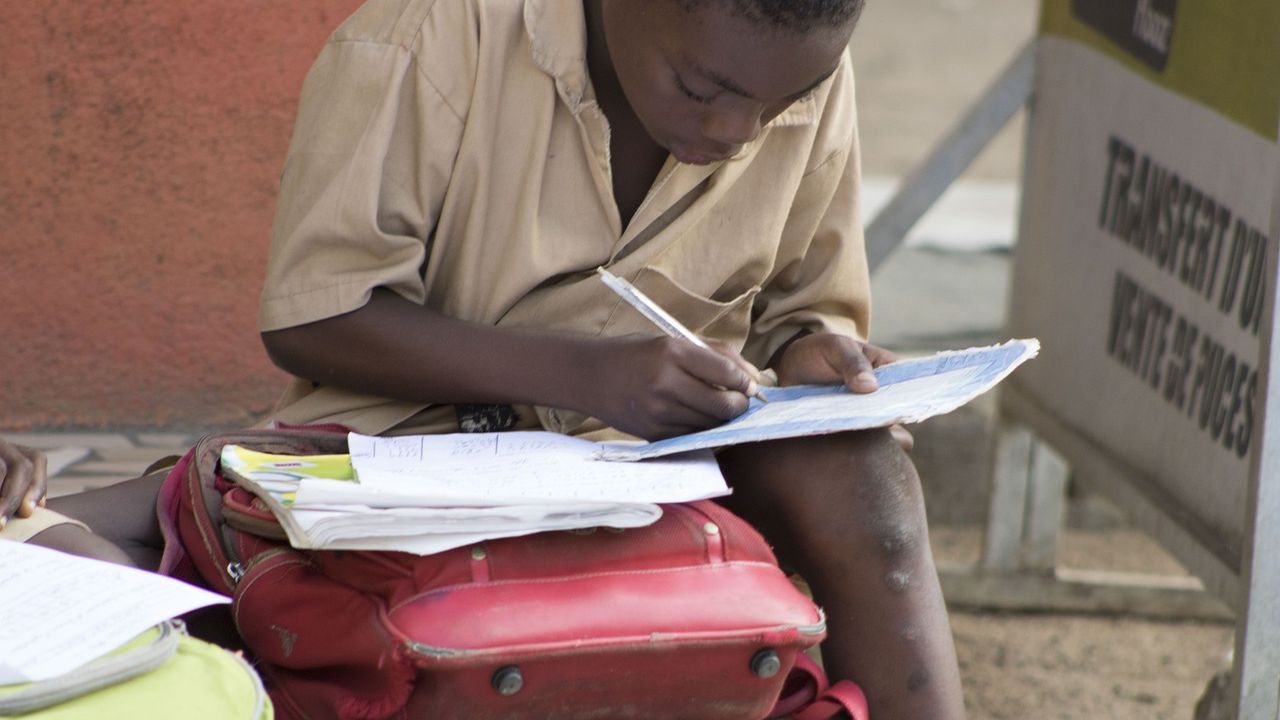
You may know that dyslexia is a language problem that often shows up as a problem with reading and spelling. However, did you know that there are signs that show your child might have dyslexia which are not as obvious as this and are often missed? Here, I have explored 5 less obvious signs that your child may have dyslexia.
- Your child can read relatively well but they don’t take in and understand what they have read.
This one often perplexes those around your child because they appear to have mastered the skill of reading but simply can’t tell you what the story was about or who the main characters were. They may have completely forgotten the story by the time they finish their page. Your child may say that they can’t see the point of reading and tell you that they don’t enjoy it.
- Your child doesn’t finish their pieces of work within the set time at school.
You may also see that they struggle to complete homework within the allocated time as well. Your child’s teacher may point out that they are producing very little writing in the time allowed and notice that your child spends a lot of time appearing to ‘daydream’. You might find your child complaining about being held in at break times and lunchtimes to finish their work.
- Your child lacks concentration skills .
Your child’s teacher may complain that your child simply can’t sit down and concentrate on a task for any length of time. You may also see this at home, with your child needing to move around a lot and finding it hard to give something their attention for very long, especially if they don’t find it engaging.
- Your child can’t regulate their own behaviour.
At home you may be experiencing extreme behaviour such as ‘meltdowns’ when your child is feeling under pressure or stress. At school, your child’s teacher may report that they refuse to take part in something they don’t want to, for example singing in a choir or they may refuse to do the work the teacher has set.
- Your child may not want to attempt a piece of work they don’t think they can do.
You may see this happen at home when your child refuses to try something new such as a new sport or skill. At school, your child may close down when faced with a piece of work they feel they don’t understand or know what to do.

The reasons that you are seeing these signs are usually because:
- your child doesn’t make mental pictures (leading to lack of reading comprehension and reading skills due to dyslexia)
- they have a slow processing speed, meaning they don’t think and process thoughts as fast as others, leading to work being incomplete (an issue with dyslexia)
- they have a weak working memory which is responsible for concentration and self- regulation of behaviour ( an issue with dyslexia)
- they have low self-esteem and have failed at tasks so often they simply don’t want to fail yet again and therefore they won’t try ( an issue with dyslexic children).
If you recognise these signs in your child, then you should discuss your concerns with your child’s teacher and SENCo first.
Debbie Abraham. Specialist Dyslexia Tutor.
‘Debbie helps parents make learning less frustrating for their dyslexic children. You can read more about her at www.dyslexiadeb.co.uk. You can also contact her on Facebook: @dyslexiadeb or Twitter:@DyslexiaDeb1′.




2 readers had their say
Thank you. That’s given me a few things to think about.
That’s great Cheryl, glad you’ve found it useful. Let me know if you want to discuss anything.