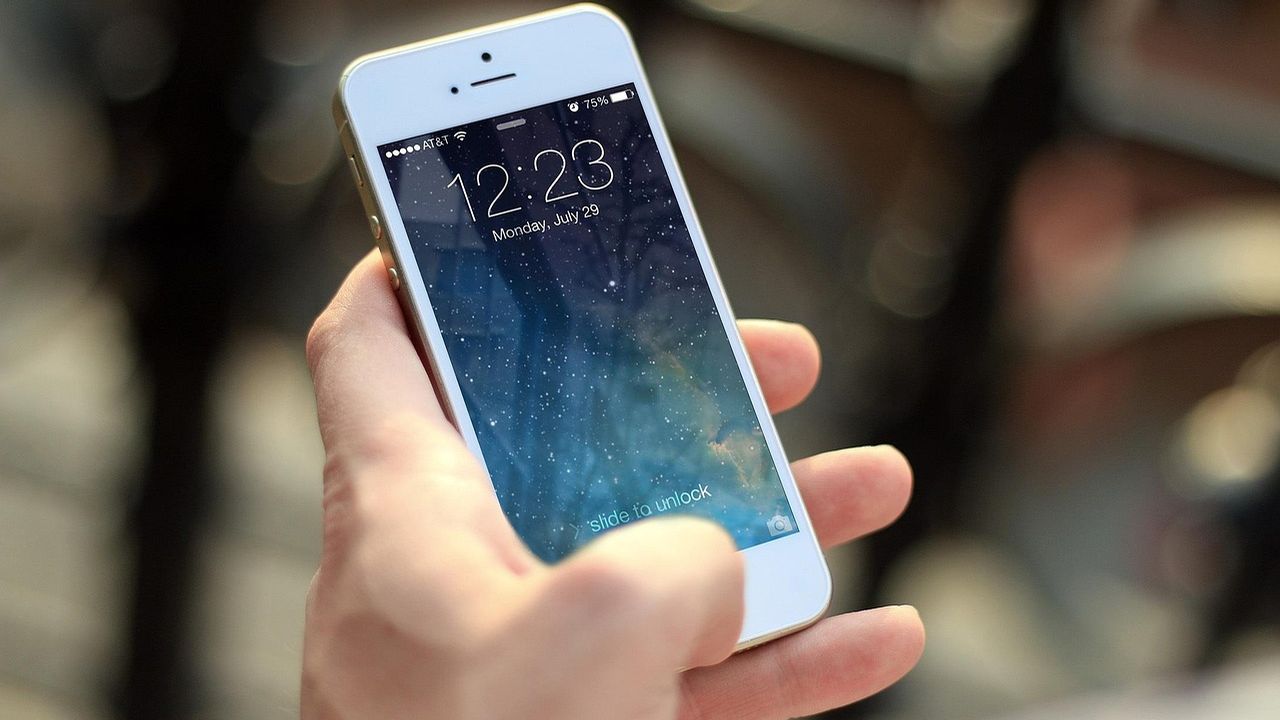
Size isn’t everything or so we’re told, unless of course you’re referring to mobile phones where size is king. With the launch of new generation mobile communication devices each year or in some cases each quarter, the screen size and the resolution is becoming the most important factor to most consumers. Handheld mobile devices are used not just for communication but for streaming and watching movies, playing high definition games and shooting photographs and videos where screen size and resolution becomes key.

Apple’s currently flagship device the iPhone X for example has a screen size of 5.8 inches with a 2436-by-1125-pixel resolution at 458 ppi.
The initial iPhone had a screen size of a mere 3.5 inches by comparison.
Before mobiles became the smartphones we know today, the reverse was true. The greater the technology placed into the smaller the frame became the most sort after commodity. In 1999, Nokia launched its smallest and most advanced handset at the time the 8210. This came in at 101.5 mm long, 44.5 mm wide and 17.4 mm thick.
Where do we go from here? As the hand and pockets can only hold so big a device. Well perhaps the answer is already with us. Projection wristband anyone?