Health technology is most useful when it helps people notice patterns, build sustainable habits or communicate better with a qualified professional. These tools can support healthy routines, but they do not diagnose every problem or replace medical care.
8. A Personal Health Record
Keeping a secure record of diagnoses, allergies, medicines, test results and questions can make appointments more productive and reduce confusion. Check privacy settings, keep information accurate and share it only through trusted channels.

7. Blood Pressure Monitors
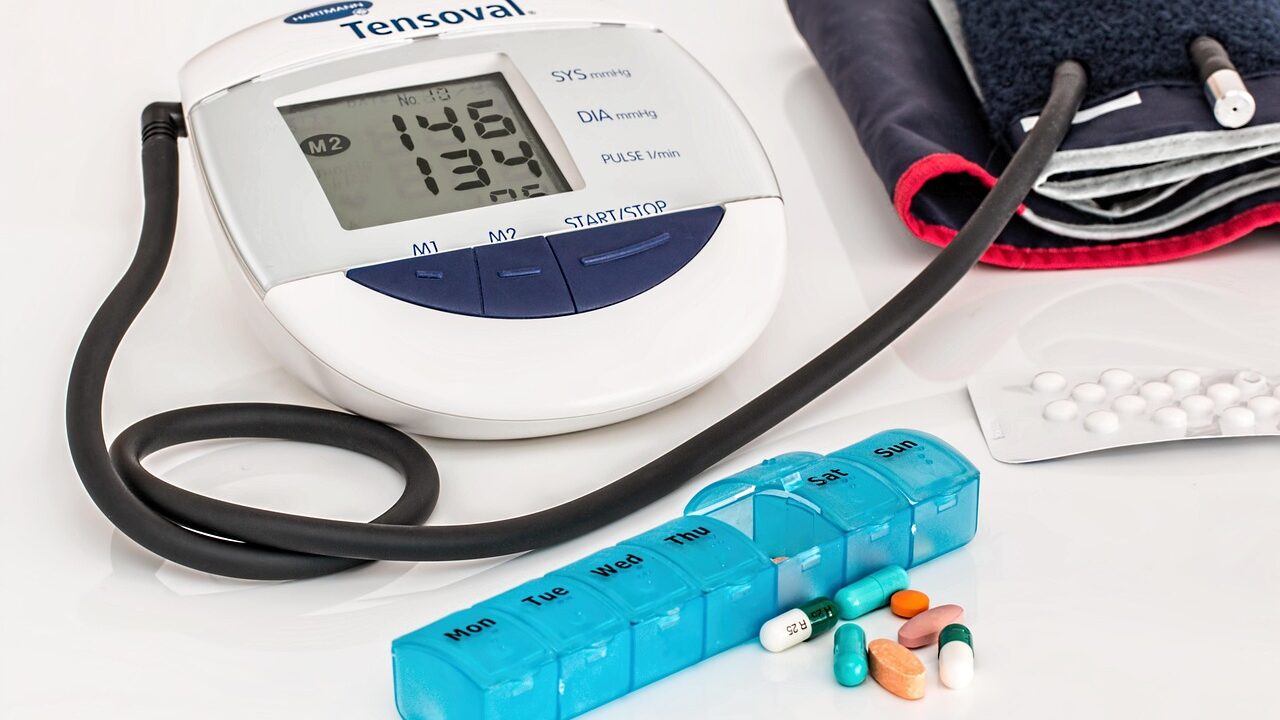
A validated home blood-pressure monitor can provide useful readings when used with the correct cuff and technique. Take readings as instructed and share patterns with a healthcare professional; a single reading does not tell the whole story.

6. Guided Exercise Apps
Well-designed exercise apps offer demonstrations, progression plans and reminders that can help build consistency. Choose routines appropriate to your fitness and mobility, learn proper technique and stop if you experience unusual pain, dizziness or other concerning symptoms.

5. Digital Food Diaries
A simple food diary can help identify routines around meals, hydration and energy. Use it to learn without becoming overly restrictive; calorie estimates are often imprecise, and people with a history of disordered eating may benefit from professional guidance before tracking food.

4. Telehealth Consultations
Video or online consultations can make some forms of care easier to access, particularly for follow-ups or discussing straightforward concerns. Some symptoms need a physical examination or urgent in-person care, so remote appointments are not suitable for every situation.

3. Medication Reminders
Reminder apps and smart pill organisers can help people follow a prescribed schedule, especially when routines are complicated. They do not decide whether a medicine is suitable, and any change to a prescription should be discussed with a qualified clinician or pharmacist.

2. A Step Counter
A phone or wearable can make everyday movement visible and encourage you to take walking breaks. There is no single perfect step target for everyone; build gradually around your ability and any advice from your healthcare professional.

1. A Consistent Sleep Tracker or Diary
Tracking bedtime, wake time and how rested you feel can reveal patterns that are easy to miss. Wearables estimate sleep stages imperfectly, so focus on trends and how you function during the day rather than treating every score as a medical result.

Choose technology that makes a healthy behaviour easier, not technology that turns every day into a scorecard. Use measurements as clues, protect personal health data and ask a professional when symptoms or readings concern you.