Getting fitter does not have to mean an expensive membership or intimidating weight room. Count down from 10 to our number-one recommendation: choose activities you enjoy, make them regular, and build up gradually.
10. Choose a mix you genuinely enjoy
The best no-gym plan combines aerobic movement, strength work and activities you will happily repeat. Start small, make it enjoyable and increase gradually.
9. Schedule activity like an appointment
Pick days and times that suit your life and prepare shoes or equipment in advance. A planned 15 minutes is more dependable than waiting for motivation.
8. Add simple strength exercises
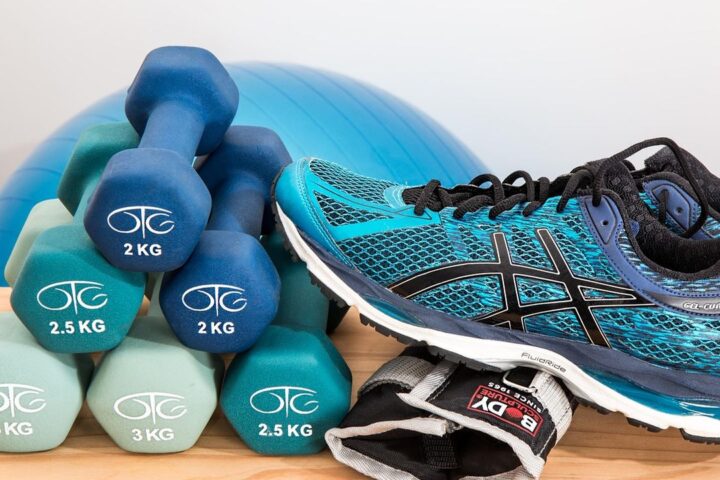
Two or more days a week, work major muscle groups with body weight, resistance bands or household weights used safely. Strength helps daily tasks feel easier.
7. Build a regular walking habit
Begin with a realistic route and repeat it most days. Increase distance or pace gradually, rather than trying to make every walk a hard workout.
6. Follow a short online workout
A ten-minute beginner session can make starting less daunting. Choose an instructor who explains technique and offers easier variations, and stop if you feel sharp pain.
5. Use free outdoor fitness equipment
Parks sometimes have walking routes, steps or body-weight stations. Keep movements controlled and skip any equipment that feels unstable or painful.
4. Cycle for transport or fun
Cycling can build stamina with less impact on the joints than running. Choose a safe route, wear a helmet and start with a distance that feels comfortable.
3. Dance to music you love
Put on a few favourite tracks and move at a pace that raises your breathing. Dancing can improve cardiovascular fitness and coordination while making exercise feel less like a chore.
2. Try a beginner home workout
Use simple movements such as sit-to-stands, wall push-ups and supported lunges. Start with a manageable routine and focus on control rather than speed.
1. Make movement part of everyday life
Walk for short errands, take the stairs when practical and stand up regularly during long periods of sitting. Small bouts add up, especially when they replace time spent inactive.
The winning formula is consistency, not expensive equipment. If you have been inactive or have a health concern, start gently and seek professional advice about suitable activity.