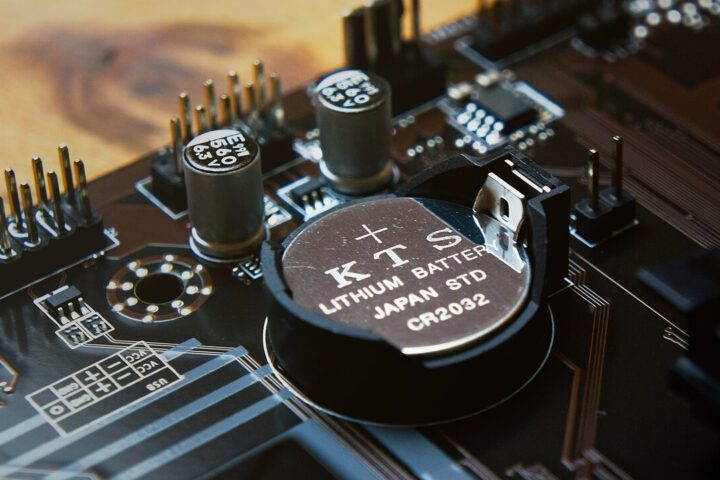
Some inventions improve a product; others change the rules of civilisation. This countdown looks at eight technologies whose influence reaches far beyond the machines themselves, from how we share knowledge to how we understand the universe.
8. Artificial Intelligence
AI is moving computers beyond fixed instructions towards systems that can recognise patterns, generate content, assist research and support decisions. Its ultimate impact remains uncertain, but it could reshape work and science as profoundly as earlier general-purpose technologies.

7. The Internal Combustion Engine
Compact engines transformed road transport, agriculture and logistics, making personal mobility and large-scale movement of goods far easier. Their dependence on fossil fuels also made them a major contributor to air pollution and greenhouse-gas emissions.

6. Vaccination
Vaccination trained the immune system to recognise dangerous infections before exposure. Alongside sanitation and other public-health measures, vaccines have prevented enormous amounts of illness and helped make some once-feared diseases rare or, in the case of smallpox, eradicated.

5. The Semiconductor
Tiny electronic switches made modern computing possible, from pocket-sized phones to data centres. Semiconductors underpin digital communications, medical equipment, transport systems and increasingly the infrastructure used to train and run artificial intelligence.

4. The Steam Engine
Steam power helped move production from small workshops towards mechanised factories and made railways and steamships practical. It accelerated industrialisation, urbanisation and global trade, while also helping create the pollution challenges societies are still addressing.

3. Electricity and the Power Grid
Reliable electricity transformed factories, homes, hospitals and cities. It powers lighting, refrigeration, communications and nearly every modern digital system; its importance comes from enabling thousands of other technologies to work at scale.

2. The Printing Press
Movable-type printing made books and pamphlets far cheaper to reproduce. Knowledge could travel beyond wealthy institutions, helping literacy, science, religious debate and political movements spread at a scale handwritten manuscripts could not match.

1. The Internet
The internet connected computers into a global network and changed how people communicate, work, learn, shop and organise. Its biggest achievement is not any single website: it is the platform that lets billions of people exchange information almost instantly.

The most transformative technologies rarely stand alone: printing spread ideas, electricity powered machines, semiconductors enabled computing and networks connected it. AI may become another foundational layer, but its long-term value will depend on how responsibly people use it.