
Your videos, articles, podcasts, photos and newsletters are working assets. Most of them could earn more than they do now, and you do not need a bigger budget or a new platform to make that happen.
We have ranked six practical moves you can start today, counting down from the quick wins to the one that changes how you think about the whole business. Number one is the idea we think matters most, so stay with us to the end.
6. Audit what you own and what it earns
Before you change anything, list every asset you have: videos, articles, podcasts, photos, music, newsletters, templates and social accounts. Next to each, note where it lives, who holds the rights and what it currently earns, even if the answer is nothing.
You will almost certainly find forgotten pieces that still draw visitors and others that cost time but return little. A simple spreadsheet is enough. The audit shows you where to spend effort, and it flags rights questions, such as third-party music or commissioned work, before they turn into problems.
Pro tip: Add a column for the date each asset was last updated. You will use it later.
5. Refresh your best older content
Older pieces that still attract steady attention are your cheapest route to more income. Update facts, replace dated examples, sharpen the headline and tighten the opening. Then check that every page or video description points somewhere useful, whether that is a product, a sign-up or a related piece.
Resist the urge to rewrite everything. Start with the handful of assets that already perform and make them better, rather than starting from nothing. Improving an existing piece often takes far less effort than making a new one. Note the update date so readers know the information is current.
Pro tip: Sort your assets by how long ago you last touched them, then start with the most popular of the oldest.
4. Licence your archive
If you own photos, footage, illustrations, music or templates, other people may pay to use them. Check that you hold the full rights first, including releases from anyone featured, then list your best material with a licensing marketplace or offer it directly from your own site.
Keep the terms simple: what the buyer can do, for how long and whether the licence is exclusive. Clear terms prevent arguments later. If a contract looks complicated, a quick word with a qualified solicitor before you sign is money well spent. Even a small, well-organised collection may earn quietly in the background while you work on other things.
Pro tip: Tag each file with clear keywords and a short description so buyers can actually find it.
3. Build a media kit and pitch sponsors directly
A one or two page media kit makes it easy for a brand to say yes. Include who your audience is, which formats you offer, examples of past work and how to get in touch. Only use figures you can verify from your own analytics.
Then pitch businesses whose customers match your audience, rather than waiting to be found. Be specific: suggest a sponsored segment, a dedicated article or a short series, and explain why it suits their goals. A short, personal email beats a generic mass message. Follow up once, politely, a week or two later.
Pro tip: Include one real example of how a past partner was featured, so brands can picture the result.
2. Add a second and third income stream
Relying on one source of income, such as advertising, leaves you exposed when it dips. Look at what your audience already asks you for and match it to a stream: sponsorship, affiliate links, memberships, paid guides, courses, live events or commissioned work.
Pick one new stream and test it small. A simple paid download or a modest membership tier tells you quickly whether people will pay. Be open about affiliate links and sponsored content, and follow the advertising rules where you live, because trust is the asset that makes everything else earn. Add streams one at a time so quality does not slip.
Pro tip: Ask your audience directly what they would pay for before you build anything.
1. Build an ecosystem you own, not a channel you rent
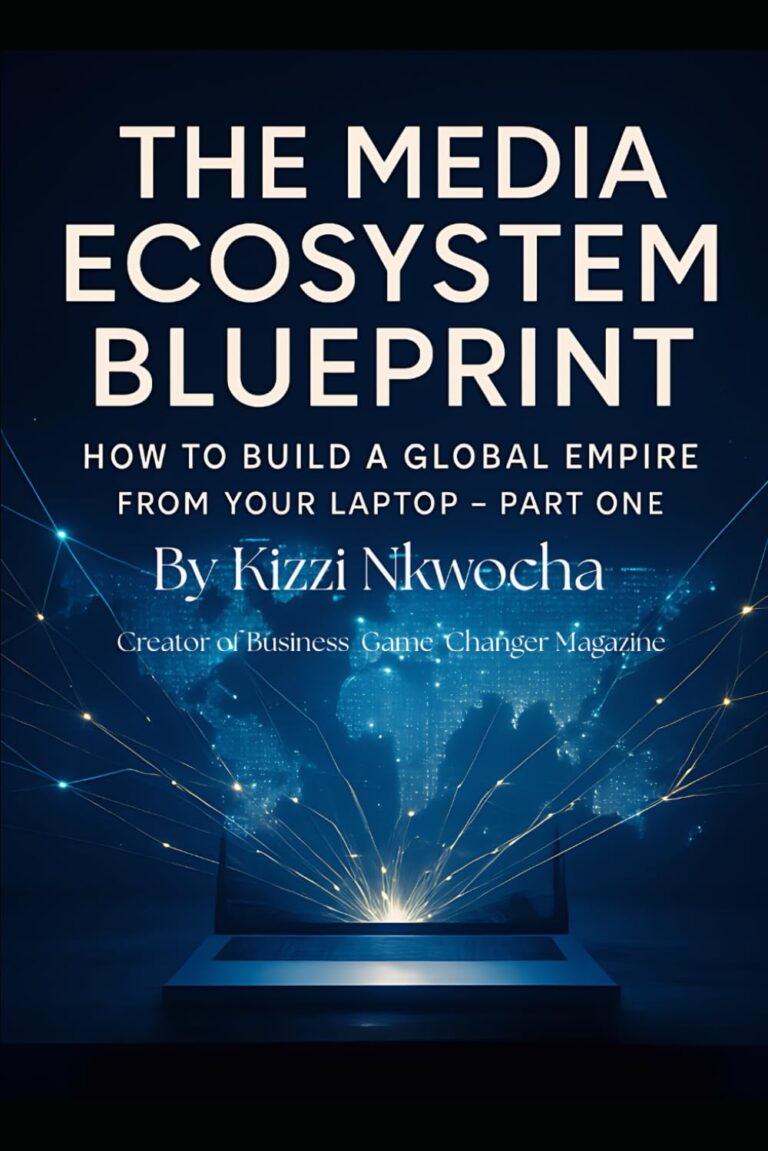
The Media Ecosystem Blueprint: How to Build a Global Empire from Your Laptop by Kizzi Nkwocha takes our top spot because it tackles a problem that holds back many creators: a lack of architecture rather than a lack of effort. It argues that the old gatekeeper model run by editors, broadcasters and publishers is collapsing, and that independent creators can now build media businesses of their own.
Its central message is to own your audience rather than rent it from platforms. It warns about platform dependency, where one algorithm change, policy update or shutdown can wipe out your reach overnight. It also shows how one core idea can be repurposed across connected formats so results compound, and why email lists and direct relationships matter more than metrics a platform controls.
Pro tip: Read it with your asset list from number 6 beside you and mark which pieces connect to each other and which sit alone.
Full disclosure: this pick is one of ours. We made it, so we are biased, but we genuinely think it earns the top spot.
Start with the audit, then work your way up the list at your own pace. Which of these have paid off for you, and what would you have ranked first? Tell us in the comments.