
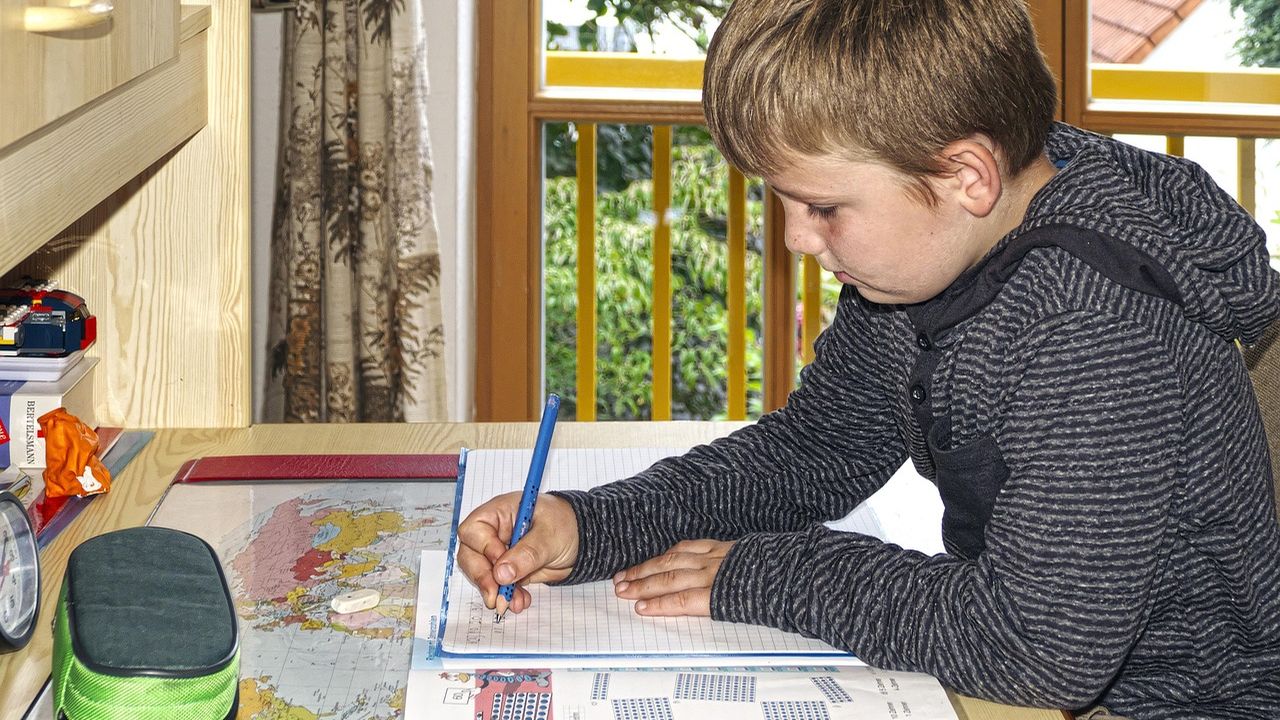
Focus and concentration are key skills for anyone who wants to succeed at school and in life. For some children, this comes naturally but what if it doesn’t for your child? Can you change this? Yes, you can!
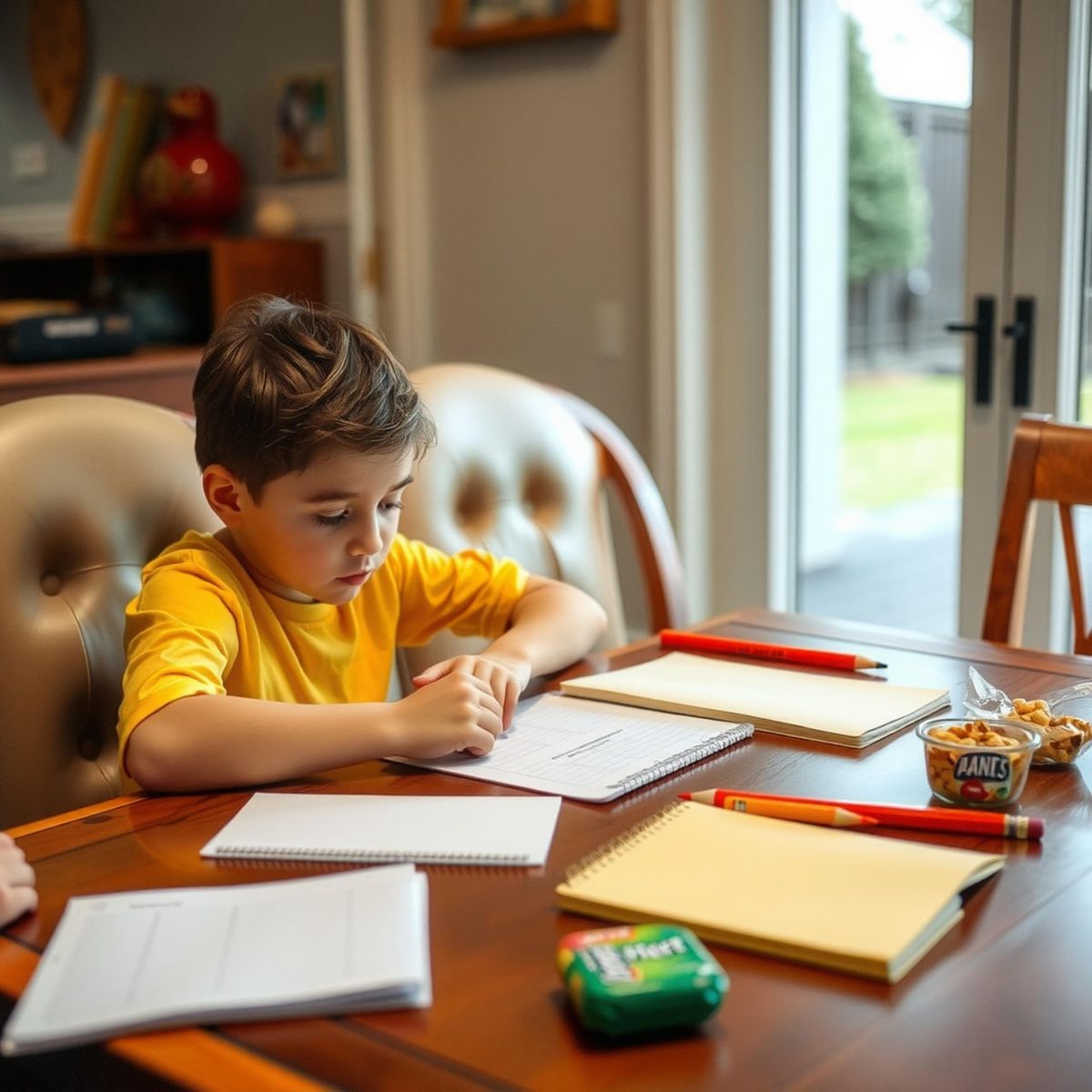
Children with dyslexia can have problems concentrating because they have a weak working memory (this is the system which helps us to moderate our behaviour) or they may have dyslexia co-existing with other conditions such as attention deficit disorder.
The steps to helping your child are:
Step 1: Observe your child, so that you get a good idea of how long they can concentrate on a certain task for.
You will find that this varies depending on the task they are being expected to do. For example, many parents say their child can concentrate for hours when playing computer games but won’t spend time concentrating on homework.
When observing your child, make a note of the tasks that they like concentrating on and how long they can do this for. Also make a note of those tasks which they find difficult to concentrate on and, again, how long they can concentrate on those tasks for.
Step 2: Once you know how long your child can concentrate for, extend the time spent on this task, by small amounts, like an extra minute doing homework.
Once they can concentrate for this extra minute, add another minute and so on. Patience is the key here, and it is surprising how quickly the extra minutes add up to a significantly longer period of time. I have successfully taken a child from almost no concentration for tasks he didn’t want to do up to 15-20 minute chunks using this method.
Step 3: Look at the ‘whole child’ i.e. assess your child’s whole environment.
First, look at your child’s sleep patterns and be honest about whether they are getting the amount that they need at their age – roughly 9 hours per night. It has been shown that using screens and televisions at night disrupts sleep so make sure these are not in their bedrooms.
Then, look at their diet. Is it high in processed foods and sugar? One of my clients experimented with taking out processed foods and foods high in sugar the type which gets added to food rather than naturally occurring sugars) and reported that her child’s concentration levels improved significantly. I know this can be difficult to do (and I have just munched a couple of chocolate biscuits) but perhaps think about cutting down on these food as oppose to completely cutting them out.
Protein is known to stimulate levels of dopamine which helps concentration; so having a diet high in protein through lean meat, eggs and nuts can also help .Can you increase your child’s protein intake?
How much exercise does your child get? Exercise helps the brain to stay oxygenated which also helps it to stay sharp. If your child has been sat down at school all day, then exercise after school can help them focus and concentrate on tasks once they are back at home.
Finally, are you setting up an atmosphere at home which can lead to a good level of concentration? Calming background music and having a fish tank have been noticed to have a good effect on boys’ concentration and focus in particular.
Step 4: When you want your child to concentrate on something, gain their attention first.
Make sure you are in the same room as them, rather than shouting up the stairs to them. Give them advance warning, say 10 minutes notice, of doing something. For example, that in 10 minutes time you want them to be downstairs to complete their homework / set the table for dinner/ pack their school bag.
Step 5: You have gained their attention by being in the same room as them, to get them to listen, use short sentences and tell them one thing at a time so that they don’t get overloaded.
For example, if their task is to clean out their pet’s hutch, then just ask them to do this.
Step 6: Play with your child and read with them.
Their concentration can be improved through playing together or reading aloud together (this one will also benefit their reading enjoyment). If you are going to play with your child, then set up quick and easy games so that they don’t lose their concentration whilst this is happening. Through playing games with your child you are teaching them to:
Communicate, listen, concentrate, problem solve, use coordination, follow directions and improve social skills.
You can also improve memory skills through games such as Kim’s game ( putting items out on a tray and giving an amount of time to memorise what is there before covering them up), or ‘I went shopping and bought…’ where you add items and the next person has to remember all the list and add to it).
To conclude, concentration is a key skill which you can teach to children who find this difficult. It will take time and patience but follow the above steps and your child will improve their attention span and , in turn, improve their academic performance.
Debbie Abraham
Specialist Dyslexia Tutor and Owner at www.dyslexiadeb.co.uk.




1 reader had their say
I love your ideas and know several families whose children have been diagnosed with dyslexia. May I also feature this article on my blog, patriciadorsey.wordpress.com? My intended audience for my blog is teachers and home schooling parents. Thank you.