When a child shows signs of reading difficulties, it is often suggested that they get assessed for dyslexia. However, a formal assessment and diagnosis of dyslexia typically cannot be given until a child turns 7 or is in grade 2. Despite this being the case, signs and symptoms of dyslexia may present themselves well before the age of 7. Children can be identified as ‘at risk’ for reading difficulties as early as they start primary school.
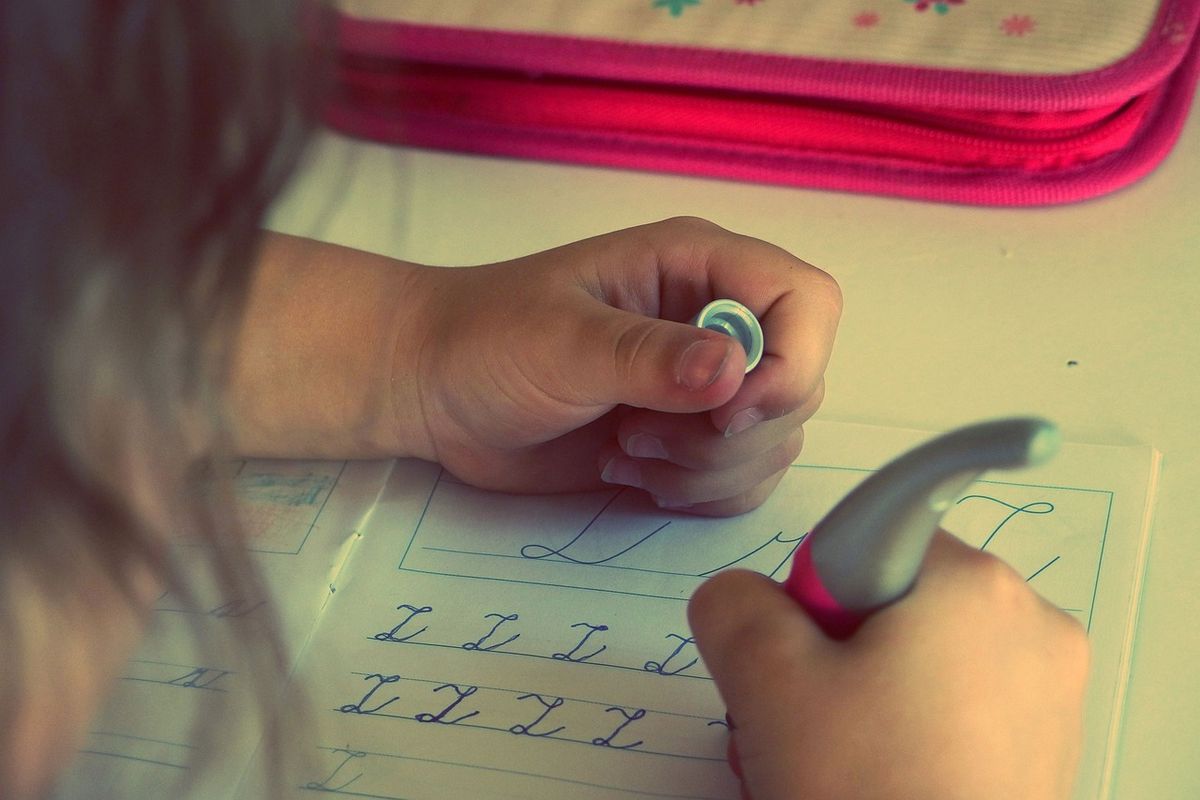
Once children enter primary school in Kindergarten/ Prep they are required to start their journey of learning to read. The curriculum at that age often introduces children to pre reading tasks that look at their phonological awareness abilities, letter knowledge, sequencing abilities and oral language skills. It is important to focus on the development of these skills as they are essential for the successful development of literacy skills. At this stage, children might only be required to know some common words and be able to read some letters to seen as ‘average’.
By the middle of Grade one to the beginning of grade two, the focus shifts and tests of early word reading, decoding and spelling are used to determine what the student has learned and what areas of literacy they are having difficulties with.
If a child has been identified as ‘at risk’ early, preventative measures should be put in place immediately even if they might not necessarily be dyslexic. Intervention will not be harmful to any child, whether dyslexic or not. A good indication of the severity and persistence of dyslexic difficulties can be gained by examining how the individual responds or has responded to intervention.
These skills in phonological awareness are necessary for the successful development of literacy skills:
- Rhyme
- Separate phonemes with in words
- Separate and identify similar sounds
- Identify the order of sounds – beginning, middle and end
- Segment words into syllables
- Blend sounds
If your child is having difficulty with meeting their literacy goals and are below the age of 7, it is important that intervention for the gaps in their knowledge is commenced as soon as possible to prevent ‘reading failure’.
By Sabina Pyne, Speech Pathologist at Youthrive Integrated Therapy Services.