
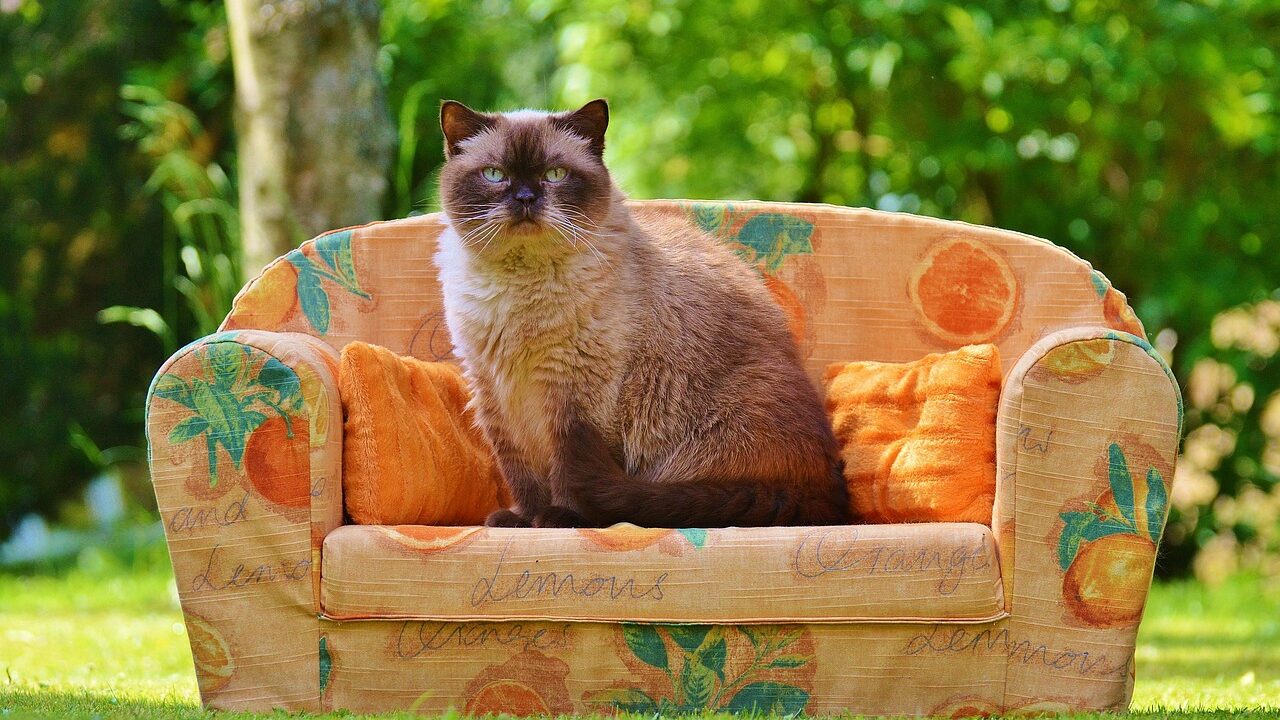
Choosing a cat is mostly about personality. Looks get you through the door, but it’s the daily habits that decide whether you’re a good match: the chatting, the climbing, the lap-sitting or the lack of it.
We’ve ranked eight well-loved breeds on how well their typical temperaments suit ordinary homes. Every cat is an individual, and rescue cats of mixed heritage can share these traits too. The number one spot goes to the breed we think fits the widest range of households, so stick around for it.
8. Sphynx
The hairless Sphynx is an extrovert through and through. These cats are affectionate, attention-loving and often cuddle up to people for warmth, and many are keen to greet every visitor.
They aren’t low maintenance, though. Without fur to absorb skin oils, they usually need regular cleaning, and they feel the cold, so a warm home and sun protection matter. Talk to a vet and a reputable breeder about care and health screening before you commit.
Pro tip: Provide soft blankets and warm hideaways, as a Sphynx will happily claim them.
7. Persian
The Persian is the classic quiet companion: sweet, calm and happiest in a peaceful home. They’re usually undemanding, enjoy a lap or a sunny spot, and rarely go in for acrobatics.
The long, luxurious coat needs daily brushing to prevent tangles. Very flat-faced types can have breathing and eye problems, so look for a breeder who prioritises health and a less extreme face shape, and ask your vet for advice.
Pro tip: Start gentle grooming sessions when your cat is young, so brushing becomes a pleasant routine.
6. Abyssinian
Abyssinians are lively, inquisitive and always on the move. They tend to be explorers who like to be up high, investigating everything and keeping you company by supervising whatever you’re doing.
They’re affectionate in their own way, but they’re often more interested in action than cuddles. They do best with people who enjoy interactive play and can provide shelves, perches and puzzle toys to burn off that energy.
Pro tip: Window perches with a view of the garden give an active cat free entertainment.
5. Bengal
The Bengal’s spotted, wild-looking coat hides a very domestic need: lots of activity. These cats are athletic, clever and curious, and many enjoy fetch, climbing and trying to open cupboards.
They can be wonderful companions for people who enjoy an active pet, but a bored Bengal can become destructive. Plan for daily play, tall climbing spaces and plenty of mental challenges. They’re not the best choice for a very quiet household.
Pro tip: Rotate toys weekly so they stay interesting, and teach simple tricks using treats.
4. Siamese
Siamese cats are sociable, intelligent and famously chatty. They’ll comment on your day, demand attention and form strong bonds with their people, often choosing a favourite human to shadow.
That devotion comes with a catch: they usually dislike long stretches alone. They’re a good match for homes where someone is around often, or where a feline friend can keep them company. If you want a quiet life, look elsewhere.
Pro tip: Puzzle feeders and climbing spots give a clever, talkative cat something to do besides telling you off.
3. British Shorthair
With its round face and plush coat, the British Shorthair looks like a teddy bear and often behaves like a relaxed one. They’re easygoing, fairly independent and happy to doze nearby while you get on with your day.
They enjoy company but tend to prefer sitting beside you rather than being carried around, so they suit calmer homes. Because they’re laid-back, they can gain weight easily, so measure meals and keep up gentle play.
Pro tip: Short sessions with a wand toy each day keep a placid cat fit without forcing the issue.
2. Maine Coon
Often called the gentle giant of the cat world, the Maine Coon is large, sociable and surprisingly soft-voiced, usually chirping and trilling rather than meowing. They tend to stay playful well into adulthood and enjoy being involved in whatever you’re doing.
They aren’t usually clingy, but they like to be in the same room. Be ready for a long, thick coat that needs regular grooming, plus a cat who needs space and sturdy furniture and scratching posts.
Pro tip: Choose a robust cat tree rated for larger cats, as lightweight ones can wobble.
1. Ragdoll
Ragdolls are known for being placid, affectionate and wonderfully tolerant. Many follow their people from room to room, greet visitors calmly and put up with the chaos of family life better than most breeds.
They’re playful without being frantic, adaptable to flats and houses, and usually get along with sensible children and cat-friendly dogs. That balance of warmth and manageable energy is why they take the top spot. Their soft, medium-long coat needs regular brushing, and their trusting nature suits an indoor life or a safely enclosed outdoor space.
Pro tip: Ask to meet the kitten’s parents, or consider a Ragdoll or Ragdoll cross from a rescue, to see the temperament for yourself.
Whichever breed catches your eye, the best match is the cat whose habits suit your daily life. Do you think the Ragdoll deserves the top spot, or would your own favourite have taken it? Tell us about your cat in the comments.