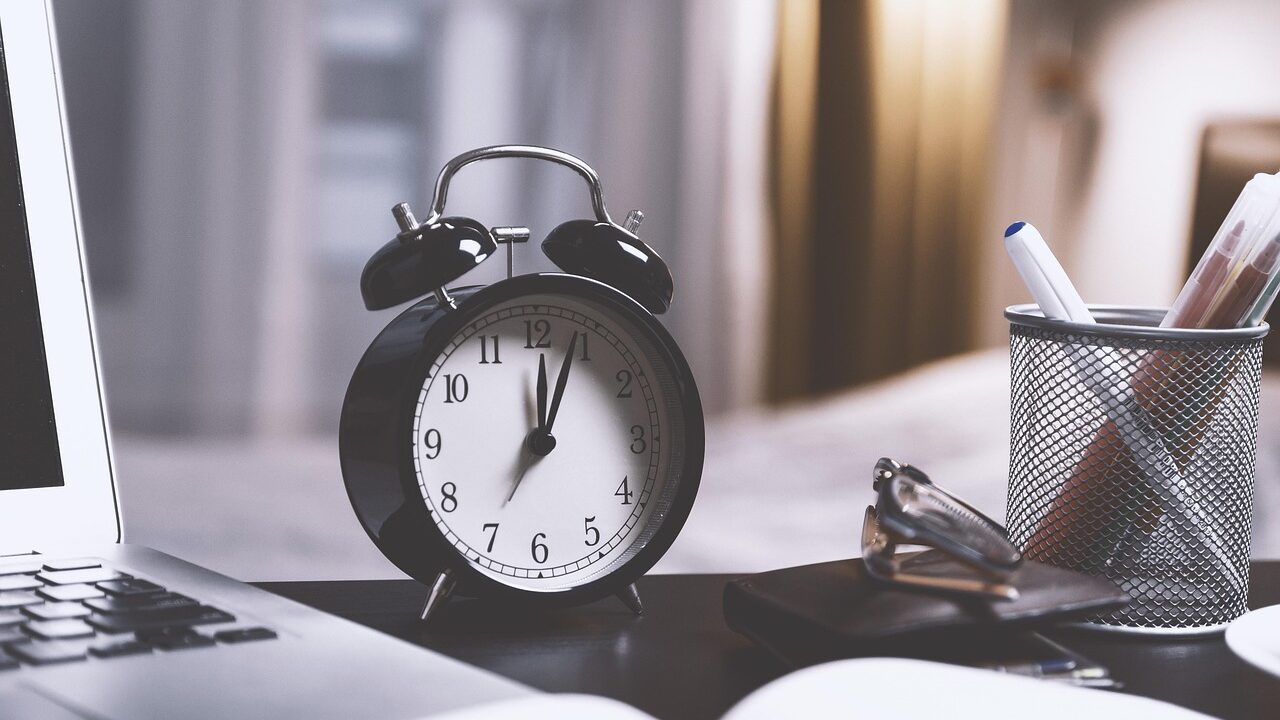
Sleep gadgets promise a great deal, but the most useful technology supports the habits that make sleep more regular: consistent timing, a comfortable environment and fewer disruptions. These options are ranked by practical value, not by how sophisticated they look.
8. Get Professional Help for Persistent Problems
Technology cannot replace assessment for ongoing insomnia, loud snoring with pauses in breathing, severe daytime sleepiness or other persistent concerns. A clinician can help identify causes and discuss evidence-based treatment, including cognitive behavioural therapy for insomnia when appropriate.

7. Choose Wearable Sleep Data Carefully
Wearables can help show broad trends in bedtime and movement, but estimates of sleep stages and readiness scores are not clinical diagnoses. Avoid reacting to every nightly fluctuation; use the information only if it helps you make sustainable changes.

6. Use a Sleep Diary Before Buying Gadgets
Record sleep and wake times, caffeine, alcohol, naps and how you feel during the day for a couple of weeks. This can reveal patterns without pretending a wearable can measure sleep perfectly, and it gives you useful information to discuss with a clinician if needed.

5. Measure Bedroom Temperature and Light
A cool, dark and quiet bedroom helps many people sleep comfortably. A basic thermometer, blackout curtains or an eye mask may be more useful than an expensive smart-home system; adjust the room to your comfort and circumstances.

4. Try White Noise or Gentle Audio
Steady background sound can mask intermittent noise for some people. Keep the volume comfortable and avoid audio that becomes engaging enough to keep you awake; silence may work better if your room is already quiet.

3. Use Night Mode and Reduce Bright Light
Lowering screen brightness and using warmer display settings may make evening screen use less stimulating, but they do not cancel out late-night work or scrolling. If possible, stop demanding tasks and give yourself time away from screens before bed.

2. Set a Wind-Down Reminder
A reminder 30–60 minutes before bed can prompt you to finish work, dim lights and begin a calming routine. The routine matters more than the app; pick activities that feel relaxing rather than turning bedtime into another productivity task.

1. Use a Consistent Wake-Up Alarm
A regular wake-up time helps anchor the body’s daily rhythm. Choose an alarm that gives you enough opportunity for sleep, and keep the schedule broadly consistent across weekdays and weekends rather than relying on repeated snoozing.

The best sleep technology is often a simple reminder, a darker room and a diary—not another score to worry about. If sleep difficulties persist or affect daily life, seek professional advice rather than relying on an app alone.